

When shin splints develop, most runners instinctively look outward for a fix, new shoes, compression sleeves, softer terrain. These things can help, but recovery almost always starts somewhere more fundamental: understanding how the muscles in your lower leg are actually working.
Shin splints is the common term for what clinicians call Medial Tibial Stress Syndrome (MTSS), and the mechanics behind it are worth understanding properly.
The three types of muscle contraction
Your muscles produce force in three ways: concentric, eccentric, and isometric contractions. You don't need to memorise the terminology, but grasping what each one does can make a real difference to how you train, recover, and avoid the injury coming back.
- Concentric contractions happen when a muscle shortens as it produces force. Push up into a calf raise and your calf muscles shorten to lift your body. That's concentric working, the part of an exercise most people recognise as the effort.
- Eccentric contractions are different. Here, the muscle produces force while lengthening. Slowly lower your heel back down after that calf raise and your calf is still working hard, just in the opposite direction. In running, eccentric control is critical because it's how the body absorbs impact with every footstrike.
- Isometric contractions occur when a muscle works without changing length at all. Hold the midpoint of a calf raise and you'll feel the effort without movement.
Why does this matter for shin splints?
Research into MTSS consistently shows that lower-leg tissues become overloaded when forces exceed their capacity to tolerate them. The tibia absorbs significant load during running, but the surrounding muscles are what control and distribute that load. When those muscles are fatigued or underprepared, more stress reaches the bone and connective tissue and that's when pain develops.
This is why effective rehabilitation rarely relies on a single type of exercise.
Early in recovery, isometric holds can reduce pain while keeping the muscle stimulated. As symptoms settle, concentric work rebuilds strength, and eccentric training restores the ability to control impact forces during running.
A structured strengthening program that incorporates all three muscle actions builds what's often called load tolerance: the gradual adaptation of tissue to handle higher forces without breaking down. And that adaptation is what makes the difference between shin splints that keep returning and legs that stay resilient.
How Solushin can support your faster recovery
Strengthening work addresses the root cause, but there's also a practical question of managing symptoms while that process is underway. Worn for 30 minutes to two hours before or after training, Solushin works by targeting the problem at its source. It applies counter traction to the soleus muscle to release built-up tension, while focal compression at the site of pain helps bring inflammation under control, a dual approach that rest alone can't replicate.
Used alongside a structured return-to-running program, Solushin users return to pain-free running up to five times faster than with other treatments, saving an average of $1,100 compared to a typical course of physiotherapy or podiatry.
The key takeaway: Shin splints rarely develop from a single event. They build gradually when training load increases faster than the body can keep up and the solution is building a lower leg that's genuinely prepared for the demands being placed on it.
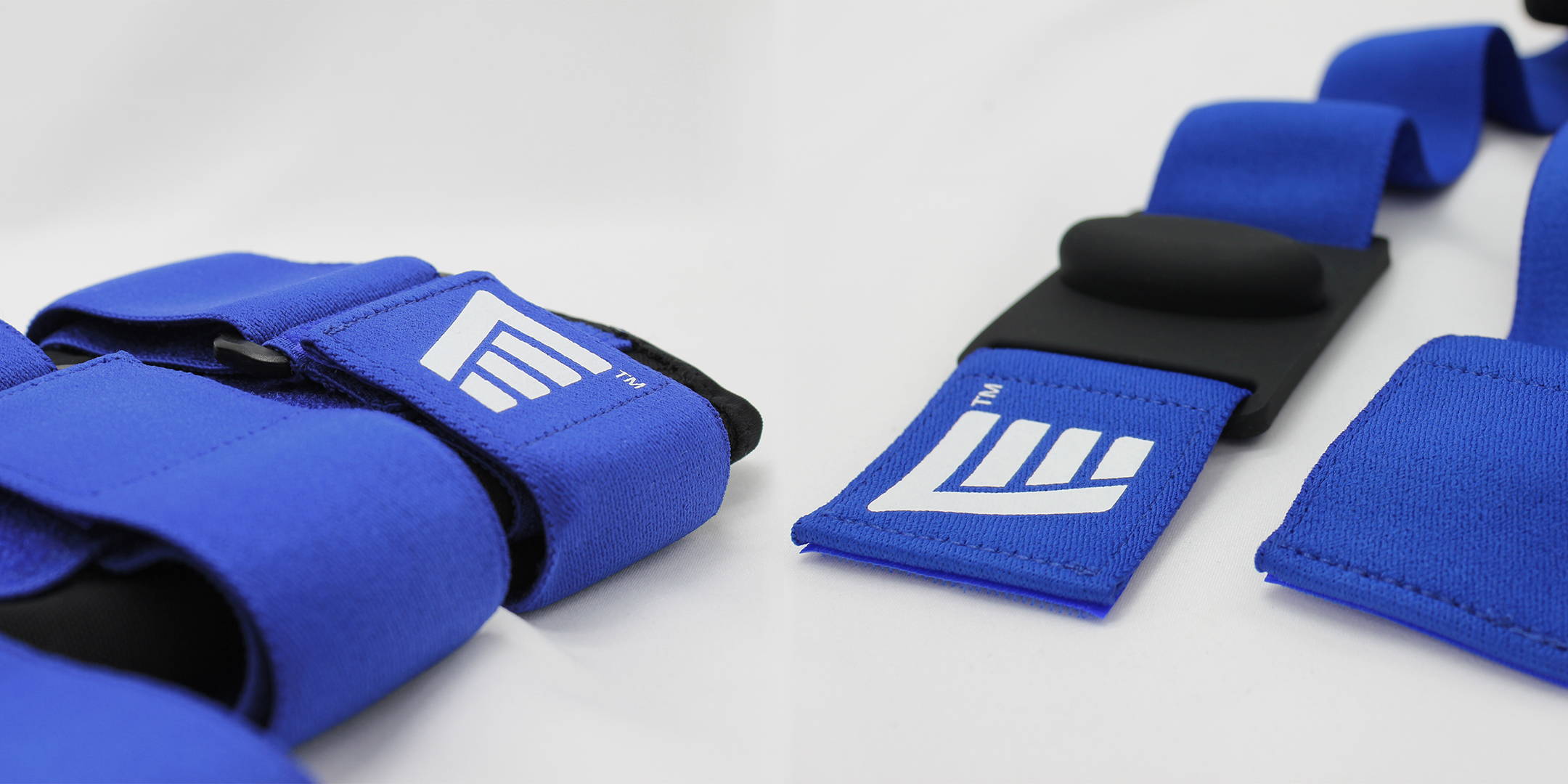
Want to beat shin splints faster? We have the Solushin®.
This article is for general information purposes only and does not replace personalised medical or physiotherapy advice. If you are unsure about your symptoms, please consult a qualified health professional
Photo by Edagar Antoni Ann on Unsplash