
A practical guide for marathon runners — from first symptoms to getting back on the road.
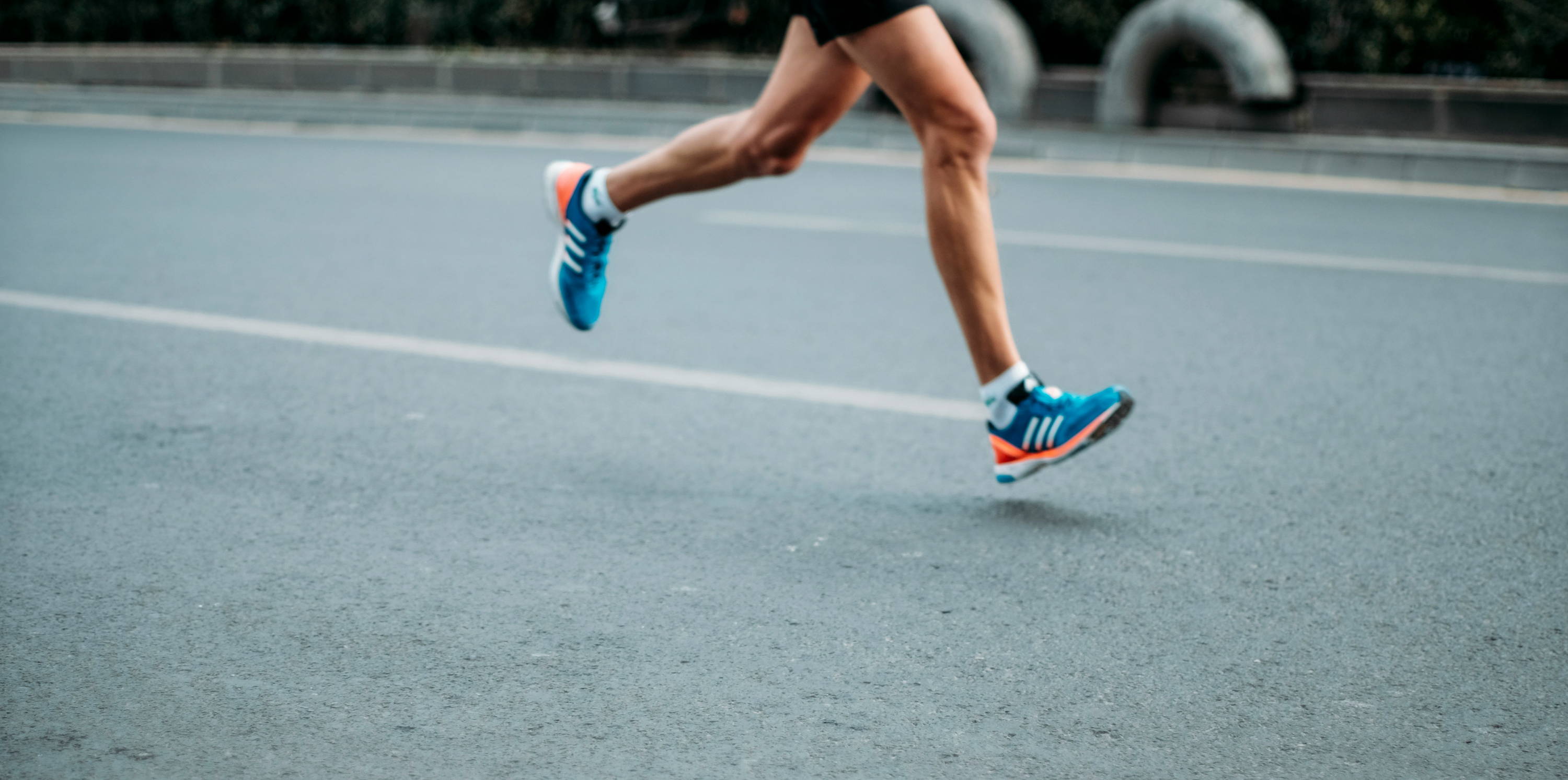
If you're in the middle of marathon training and your shins have started complaining, this doesn't have to derail your race. Shin splints, or medial tibial stress syndrome (MTSS), are one of the most common overuse injuries experienced by marathon runners. Treat shin splints the right way from the start, and most people are back to full training within a few weeks.
First, let's make sure it's shin splints
Shin splints cause pain along or just behind the large bone in the lower leg (the tibia). The pain typically develops after hard exercise or repetitive activity, and it can feel like a dull ache, a burn, or even a sharp pain along the shin.
Medial tibial stress syndrome, the most common type, causes pain along the inner edge of the shinbone, and is usually due to inflammation in the muscles, tendons and bone tissue around the tibia.
The key signs to look for include:
- pain on the front, outer, or inner side of the shin that comes on during or after running
- pain that starts off coming and going, but can progress to a more constant discomfort
- tenderness when you press along the shin bone that gets worse with activity
- mild swelling in the lower leg
How are shin splints diagnosed?
Your healthcare provider will usually diagnose shin splints by reviewing your medical history, looking at how you walk, examining your lower leg, ankle and foot, and feeling for tenderness along the bone.
If there's any concern about a stress fracture, imaging may be ordered. X-rays are often the first step, though stress fractures don't always show up on an x-ray. An MRI or bone scan gives a clearer picture if needed.
What to do next: rest, ice, and load management
The most important treatment for shin splints is to stop the activity that's causing the pain and give your body time to heal. That doesn't mean you have to stop all training, it means being smart about how you treat the problem.
Rest and ice
Take a break from running and any other high-impact activity. To keep your aerobic fitness up while your shins recover, swap to low-impact alternatives like swimming or cycling.
Apply an ice pack to the painful area for 15 to 20 minutes, several times a day. Icing helps to reduce swelling and ease pain.
Gradually return to activity
When you do return to running, start slowly and increase your activity level gradually. A good rule of thumb is the 10% rule: don't increase your weekly distance by more than 10% at a time. If pain returns during or after a session, that's your body telling you to pull back.
Footwear and surface
Two things worth checking immediately: your shoes and where you're running. Running shoes should be replaced approximately every 500 kilometres. If you have flat feet or high arches, shoe inserts (orthotics) can help support your foot mechanics and reduce load through the lower leg. Where possible, avoid hard, uneven, or hilly surfaces while you're recovering.
Pain relievers
Over-the-counter anti-inflammatory medications such as ibuprofen can help manage pain and reduce inflammation while you recover. Always use the lowest effective dose for the shortest time needed, and speak with your pharmacist or doctor if you're unsure
Where Solushin® fits in
The fastest, clinically validated approach to treating shin splints combines the Solushin® medical orthosis with a load-management program.
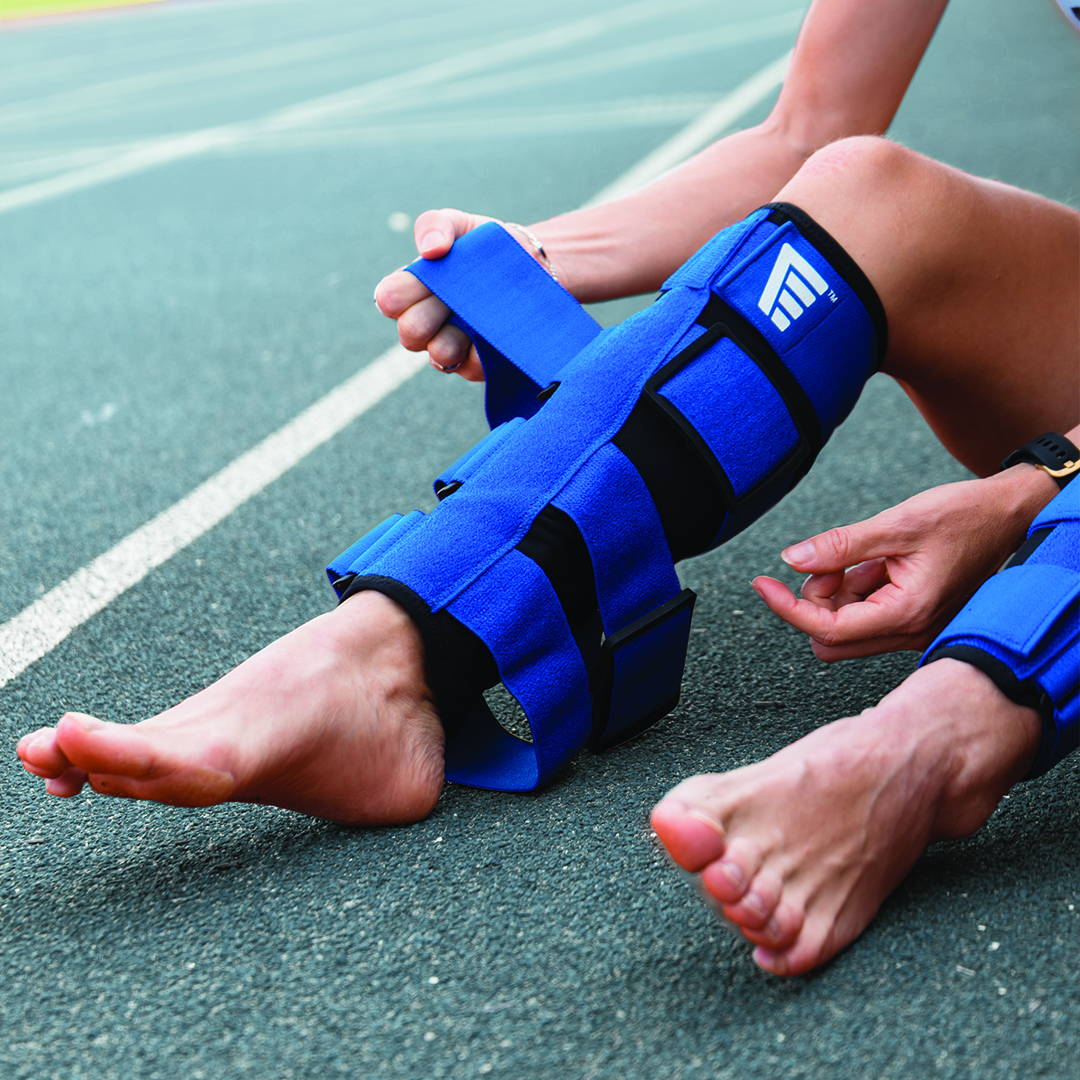
Solushin® is a medical device worn before or after training as an addition to your recovery program. In a clinical trial, subjects who combined load management with the Solushin® returned to full-load training with no shin pain five times faster than those who used load management alone.
The device works by compressing the area of pain and inflammation around the shin, and by targeting three areas of high tension in the calf muscle. It also addresses poor dorsiflexion, the ability to raise your foot toward your shin, which is both a sign of a tight soleus and a contributor to poor running mechanics in shin splint sufferers.
The Solushin® is worn 30 minutes to 2 hours before or after training. For marathon runners where every week of preparation counts, that accelerated return to pain-free running is significant.
The bottom line: beat shin splints faster
Shin splints are a common part of marathon training, but they don't have to mean the end of your race preparation. Rest, reduce your load, get on to low-impact cross-training, stretch and strengthen consistently, and if you want to get back to full training as fast as possible, consider adding Solushin® to your recovery plan. Most runners, with the right approach, return to pain-free running within a few weeks.