
How long do shin splints take to heal? A runner's recovery guide
One of the first questions runners ask when shin splints develop is whether the injury will eventually disappear, or is it something they'll always have to manage.
The good news is that most cases resolve within a predictable window. But recovery only happens when the underlying stress on the tibia is properly managed, and the body is given the right conditions to adapt.
Why recovery takes longer than expected
Shin splints are best understood as a load management issue. The tibia is constantly remodelling in response to the forces placed on it. When those forces increase gradually, the bone adapts and becomes stronger. When they increase too quickly, the tissue can't keep up.
That imbalance is what leads to pain, and it also explains why recovery isn't as simple as waiting for the discomfort to pass.
Because the tissues have usually been under stress for some time before symptoms become obvious, the healing process tends to take longer than most runners expect.
Mild cases caught early may resolve within two to four weeks. When the condition has been present for longer, recovery can take considerably more time.
How do I approach my recovery?
Many runners make the mistake of either pushing through the pain or stopping activity entirely. Neither approach tends to work. And simply resting until symptoms fade isn't enough. The bone and surrounding tissues need a gradual reintroduction of controlled loading to rebuild their tolerance impact.
A more effective strategy combines three key principles:
- Adjust your training load temporarily. Reduce the volume and intensity of running while staying active with movement that doesn't aggravate symptoms.
- Keep up your cardiovascular fitness. Low-impact cross-training like swimming or cycling maintains your aerobic base while giving the tibia time to recover.
- Strengthen your calf and stabilising muscles. Greater muscular capacity means less load transferred to the tibia during running — reducing both pain and the risk of reinjury.
How Solushin can speed up your recovery
Wearing Solushin for 30 minutes to two hours before or after training aids recovery by directly targeting the source of the problem. Solushin applies a counter traction technology to the soleus muscle, encouraging it to release tension, while simultaneously delivering focal compression to the site of pain to help address inflammation.
This dual approach combined with a load management program speeds up recovery and helps manage pain more effectively than rest alone.
When you use Solushin alongside a structured return-to-running program, you can expect to return to pain-free running up to five times faster than with other treatments, saving an average of $1,100 compared to a typical course of physiotherapy or podiatry.
The key takeaways: If you’re experiencing shin pain, know that shin splints are manageable, recovery takes weeks not months, and load management is everything.
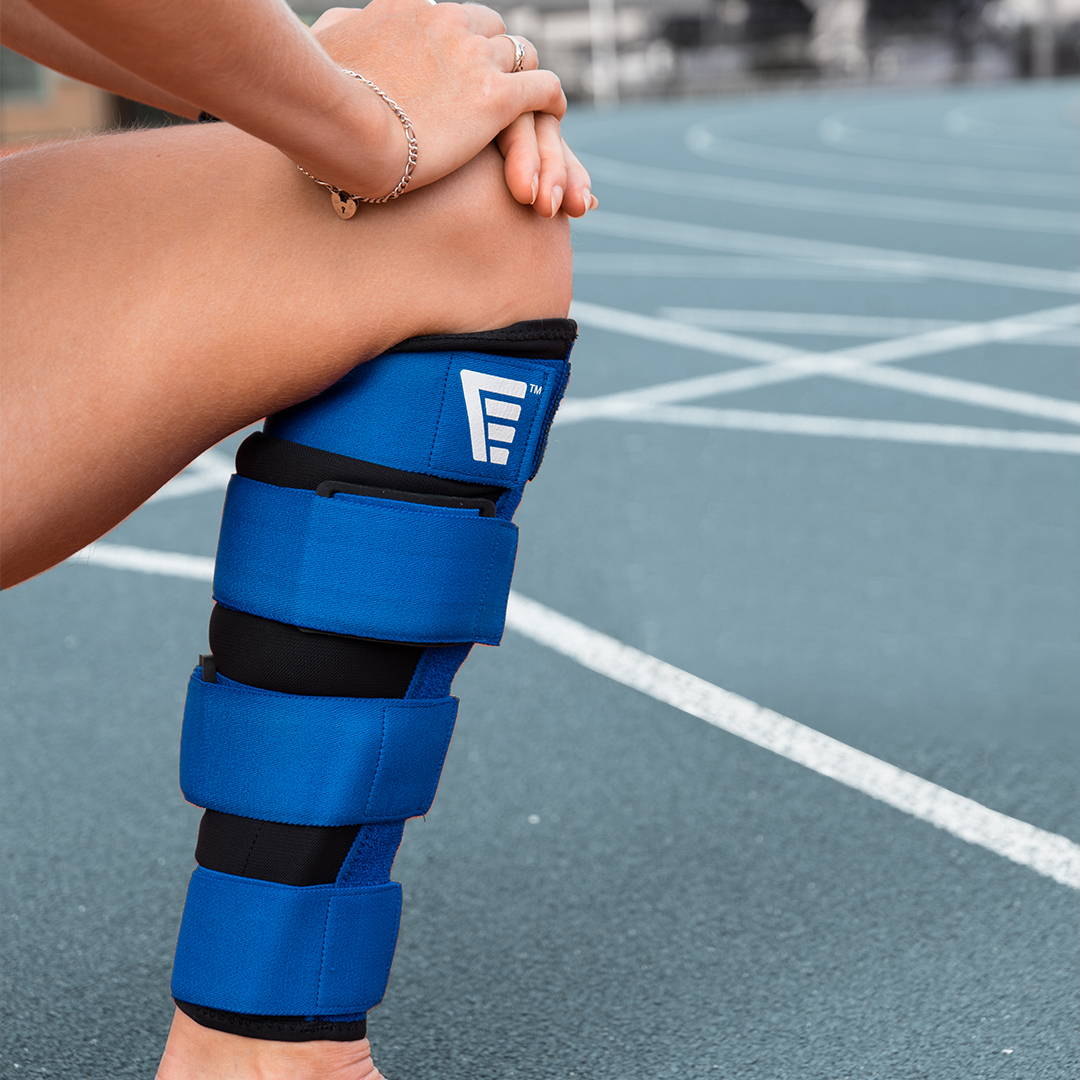
Want to beat shin splints faster? We have the Solushin®.
This article is for general information purposes only and does not replace personalised medical or physiotherapy advice. If you are unsure about your symptoms, please consult a qualified health professional
Photo by Miguel A Amutio on Unsplash